The Reliability Challenges of Traditional Conduit Systems
Reducing Failure Risk with Busway
Electrical Reliability Starts at the Weakest Link: Connection Points
Electrical reliability depends on many factors, but connection integrity remains one of the most common sources of electrical failures. Every splice, termination, or junction introduces a potential weakness, making them common points for electrical faults. Over time, vibration, heat, improper installation, and maintenance issues can all compromise these connections, leading to downtime and operational risk.
For facilities focused on uptime and operational stability, reducing the number of connection points is essential to improving overall system reliability. In this article, we will explore how track busway systems were designed to minimize the risk of electrical connection failures compared to traditional conduit systems.
Where Traditional Conduit Systems Fall Short
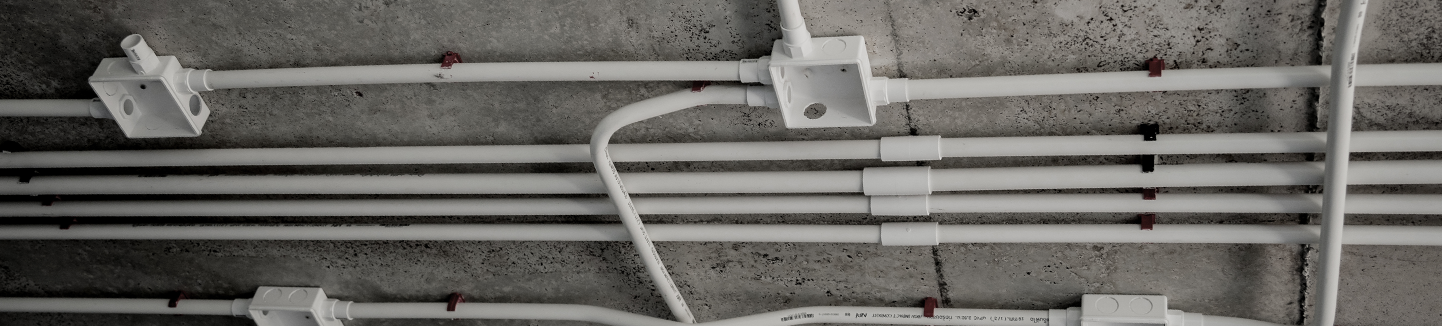
Conventional pipe and wire systems rely heavily on field-installed components and hardwired connections. To route power effectively, installers must assemble conduit runs, pull wire, terminate cables, and install pull boxes and junction boxes throughout the system. Each of these connection points creates an opportunity for installation inconsistences, improper torque, conductor damage, or future maintenance issues.
Cabling and terminations further compound conduit installation complexity. These installations are labor-intensive and highly dependent on skilled labor, making them susceptible to wiring errors. Improperly torqued connections, cable damage during pulls, and mislabeling can all affect long-term reliability. Because so much of the system is built and configured on-site, human error is simply a larger risk factor.
Traditional conduit systems are also inherently less adaptable once installed because power access points are fixed. Hardwired connections lock systems into place, making modifications or repairs disruptive and costly. Expanding or relocating equipment requires new conduit runs, additional wiring, and scheduled shutdowns to complete modifications safely. Over time, this complexity translates directly into both higher frequency of operational disruption and increased failure risk.
Continuous, Self-Contained Power: Starline Track Busway
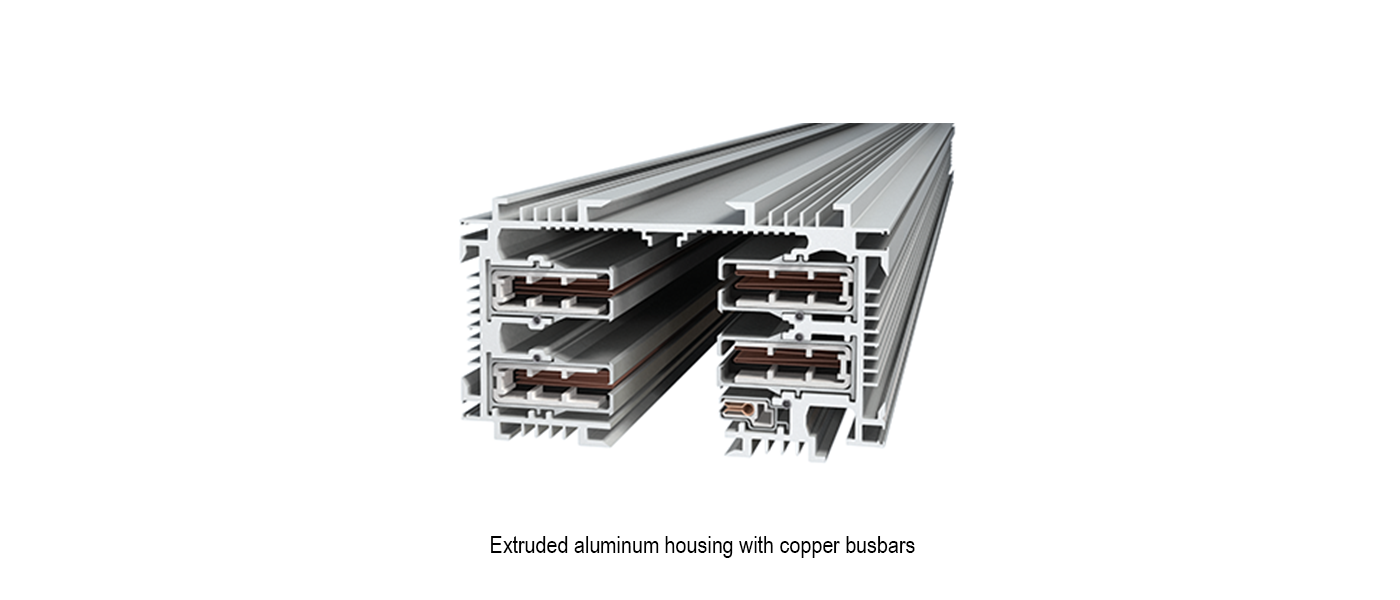
Starline Track Busway addresses these challenges by streamlining power distribution into a self-contained, modular system. Instead of relying on multiple components installed in the field, busway integrates power delivery into a continuous, open-channel system. Its design replaces long conduit runs and hardwired junction boxes with busbars enclosed inside an extruded aluminum housing, significantly simplifying system design and installation.
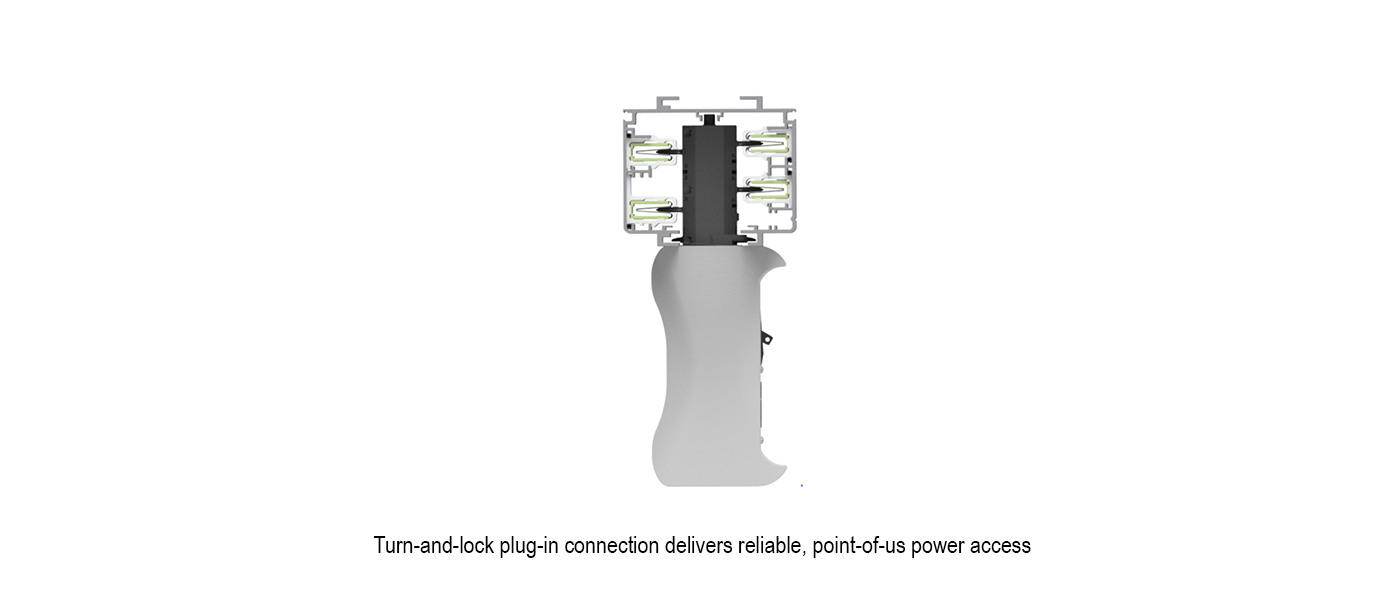
Inside the housing, copper or aluminum busbars deliver consistent electrical access. Along the length of the system, the open access channel allows users to place circuits wherever needed. Starline plug-in units’ twist-and-lock design establishes a reliable power connection without the need for tools or skilled labor.
How Busway Improves Reliability
Fewer Connection Points
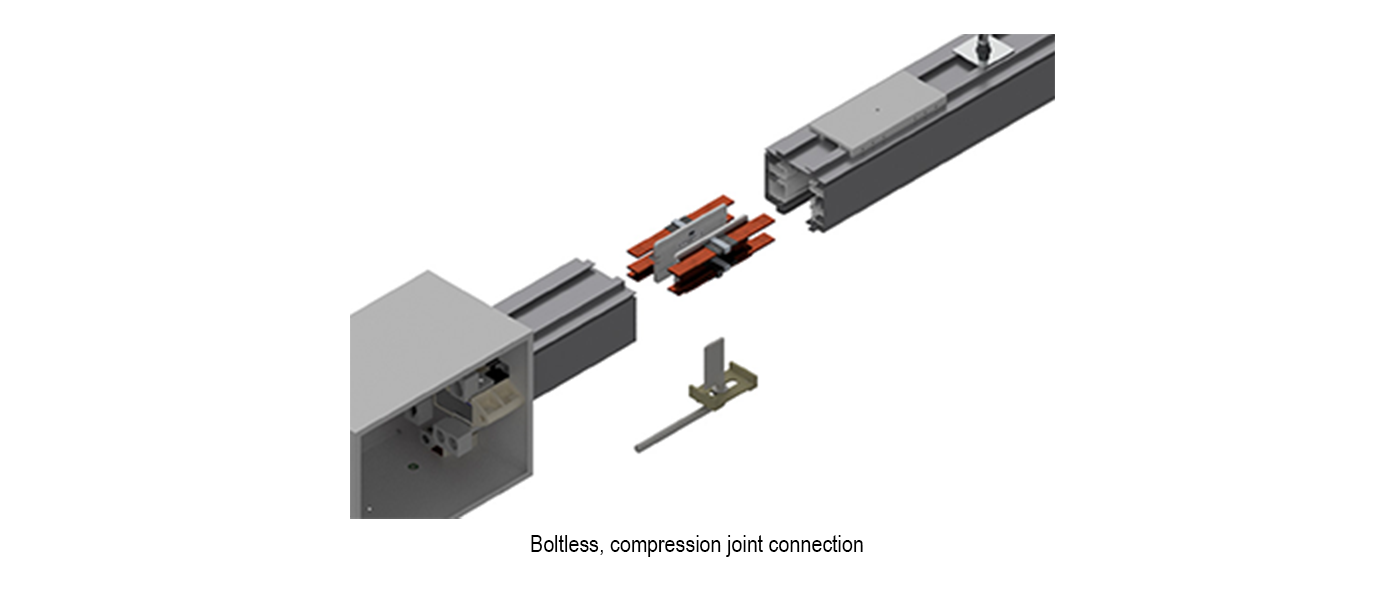
By eliminating much of the field-installed wiring, splicing, and junction boxes required in other conduit systems, busway can significantly reduce the number of field-installed connections, lowering the potential for loose terminations and installation errors. Starline Track Busway systems are designed with a compressed, boltless joint connection that maintains consistent contact without requiring periodic retorquing. Additionally, our sections are customizable in lengths up to 20 feet, decreasing the number of joint connections that are needed.
Plug-In Units vs. Hardwired Drops
Busway also replaces hardwired drops with plug-in units, which provide more flexible power access. These units can be installed or moved without shutting down power, allowing changes to be made without disrupting operations. Circuit breakers and fuses integrated into plug-in units put protection devices directly adjacent to equipment, simplifying troubleshooting and fault detection. Utilizing turn-and-lock connections, plug-in installation is simple, reducing the likelihood of installation errors while minimizing exposure to live wiring.
Pre-Engineered Busbars
Another key advantage lies in the use of pre-engineered busbars. Unlike field-installed cabling, which can vary depending on installation quality, busbars are manufactured and tested under controlled conditions in Starline factories. This ensures consistent conductivity and performance across the system.
Conclusion
Pipe-and-wire systems depend on numerous individual components, each introducing complexity and risk over time. As systems grow and evolve, those risks multiply, leading to increased maintenance demands and more frequent downtime.
Starline Track Busway offers a fundamentally different approach by simplifying power distribution with modular design. Through reduced component count, boltless connections, and built-in flexibility, it minimizes failure points and enhances overall system reliability.
Ranging from 40-1250 amps, Starline Track Busway delivers reliable power to facilities across a wide range of industrial and commercial applications. Learn more about Starline’s track busway offerings and the markets we serve.