4 Ways Busway Supports Sustainability Throughout a Building's Lifecycle
When organizations think about sustainable building strategies, the conversation often centers around reducing energy consumption and emissions. But sustainability extends beyond the energy a building consumes. The materials used during building construction, the material waste generated throughout a facility's life, and the ability to adapt to changing operational needs can all have a significant impact on long-term sustainability.
Instead of evaluating building systems and equipment solely on their performance at installation, building owners should also consider how those systems will support resource conservation, waste reduction, and operational flexibility for years to come.
Here are four ways Starline Track Busway can help organizations support sustainability goals from initial construction through future modernization projects.
1. Reducing Material Use and Waste During Construction
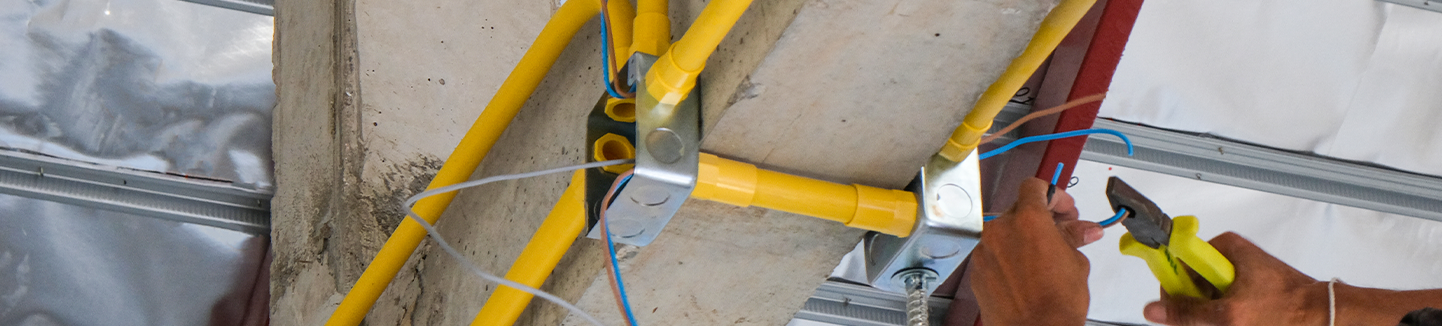
Every construction project requires resources, and the materials specified during design contribute to the building's overall environmental footprint. Traditional conduit electrical systems often involve numerous conduit runs, junction boxes, feeders, and other components that must be installed throughout a facility to bring power where it's needed.
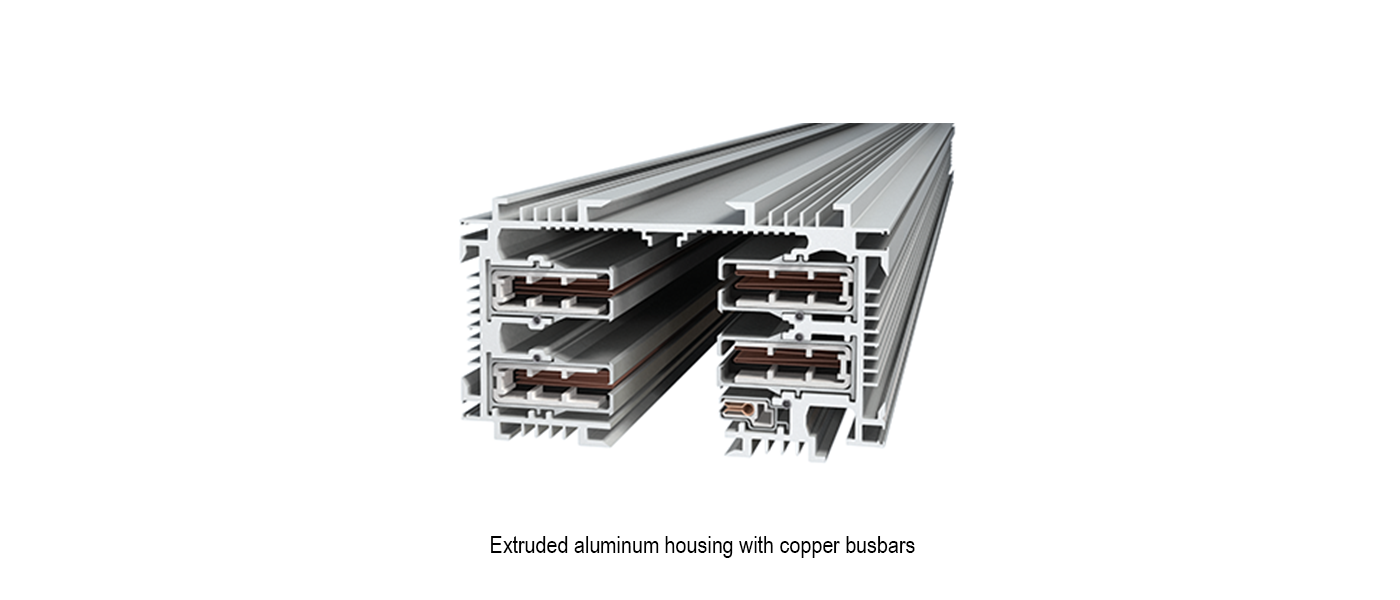
Busway offers a more streamlined approach by integrating conductors within a single self-contained system. By reducing the number of individual components required to distribute power, busway can help decrease the amount of material needed during construction. Busway systems are also prefabricated, reducing field modifications during installation and limiting excess material waste. For companies tracking Scope 3 emissions, busway Product Environmental Profiles (PEP) are available for evaluating environmental impact.
2. Extending the Useful Life of Electrical Infrastructure
Looking beyond installation, a sustainable building needs to be designed to perform well as business needs change. Facilities evolve constantly. New equipment is introduced, operations expand, workflows change, and layout requirements shift. Infrastructure that becomes outdated or difficult to modify can lead to replacement and additional resource consumption. For conduit systems, these adjustments can often lead to stranded wiring that is left installed without use.
Flexible power distribution enables facilities to maintain operational effectiveness as businesses evolve. Instead of being confined to the fixed electrical layout established during construction, companies utilizing busway can adapt power to support business needs, maximizing the value of existing infrastructure investments. Every year that a system remains capable of meeting operational needs is another year that materials, labor, and resources do not have to be spent on modifications.
3. Supporting Reuse and Minimizing Renovation Waste
When facilities undergo expansion or renovation, electrical infrastructure often must be modified. Traditional conduit and wire installations frequently require existing materials to be torn out and replaced when equipment layouts change, resulting in additional material consumption and construction waste.
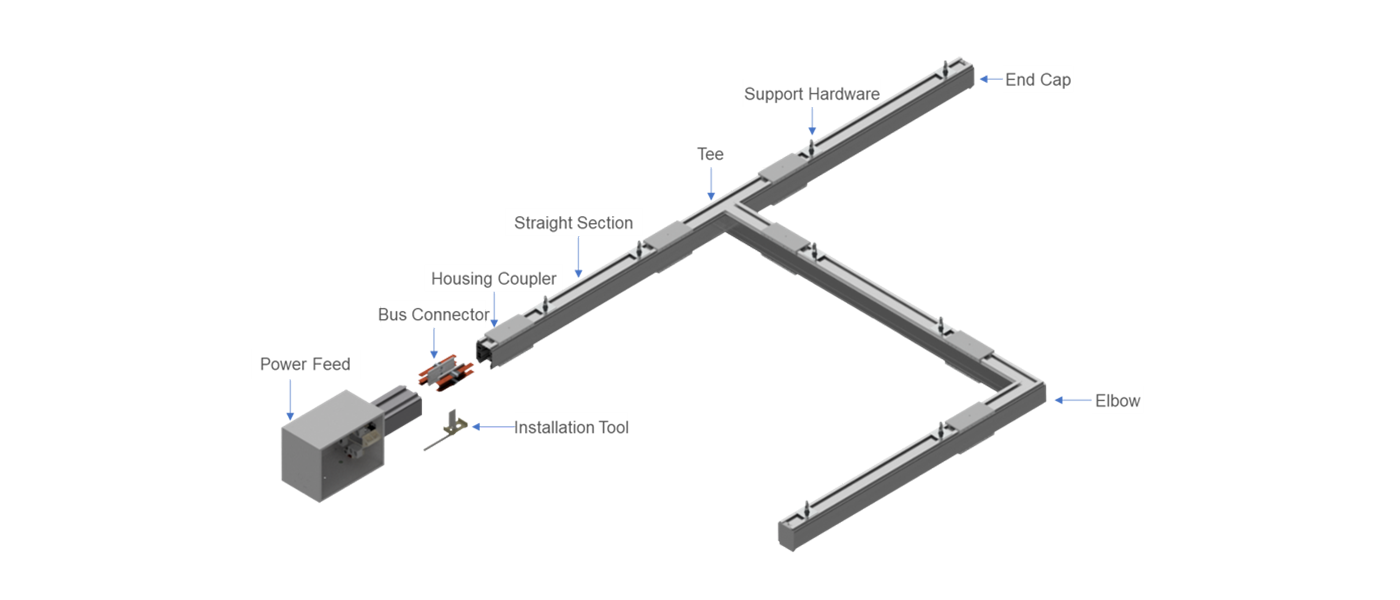
Because the system is modular, busway components can be reused when production areas are reconfigured or expanded, or relocated to another facility when companies move locations. Instead of discarding and replacing large sections, facilities can keep existing busway runs and use the components to support new layouts and equipment. This flexibility can also reduce maintenance requirements, limit the need for site visits, and minimize ongoing construction activity associated with electrical modifications. For organizations planning long-term growth, a reusable power distribution system can help minimize renovation waste.
4. Enabling Future Modernization and Electrification
Across industries, organizations are investing in technologies that support both operational efficiency and sustainability objectives. Automation systems, robotic equipment, smart building technologies, advanced manufacturing processes, electric vehicle charging infrastructure, and energy management solutions are becoming increasingly common. Infrastructure that cannot adapt to changing power needs may eventually require significant upgrades or replacement to support modernization efforts.
By making it easier to accommodate evolving electrical requirements, busway systems can support modernization initiatives and position organizations to be able to adapt to increasing power demands and technology upgrades. As organizations continue pursuing electrification and sustainability goals, adaptability may become one of the most important characteristics of a long-term power distribution strategy.
Looking at Sustainability Through a Lifecycle Lens
While energy efficiency remains a critical component of sustainable building design, organizations should consider the impact electrical systems have during the lifecycle of a building. From reducing material use during construction to supporting decades of operational changes and future growth, power distribution systems can play a key role in sustainability.
Infrastructure that can adapt to change, be reused during renovations, and scale with ease helps reduce waste and extend the life of building investments. Starline Track Busway supports a lifecycle approach to sustainability, from construction to long-term building performance.
Learn more about how we support our customers across different markets or contact an expert to talk about your next project.